🎵 Key Takeaway
Found a song in G Major or F Major, but you only have a C Ocarina? You don't need to buy a new instrument. You need to learn Transposition. By moving the "Do" (Home Note), you can play almost any song on your 12-hole.
The sheet music says "Key of D (2 Sharps)." Your ocarina says "Alto C."
Do you panic? No.
You have two options: The Math Way or The Gear Way.
Option 1: The Math Way (Relative Pitch)
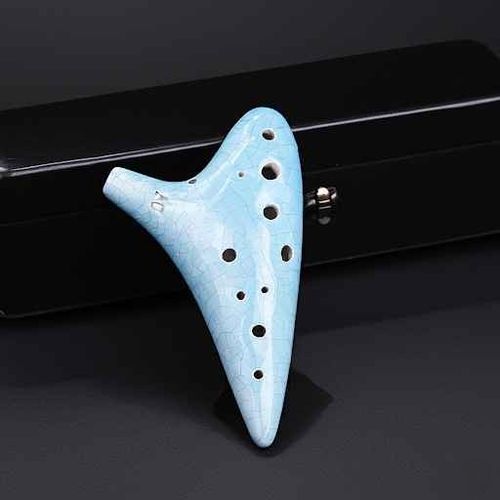
This is for the Gradient Green 12-Hole (or any Alto C).
Forget the letter names (C, D, E). Think in numbers (1, 2, 3).
- Scenario: The song is in G Major. The first note is G.
- Translation: In G Major, G is "1" (Do).
- Action: On your C Ocarina, play C (which is your "1").
You are essentially pretending your C Ocarina is a G Ocarina. You play the pattern of the melody, not the absolute pitch. The song will sound correct, just lower or higher than the original.
The Universal Key
The Gradient Green Alto C is the standard key for 90% of ocarina tabs. Mastering transposition on this instrument means you can pick up almost any simple sheet music and play it instantly.
Shop Standard Alto C →
Option 2: The Gear Way (Chromatic Power)
What if the song changes keys in the middle? Or what if it has so many sharps and flats that "pretending" doesn't work?
You need a fully Chromatic Instrument.
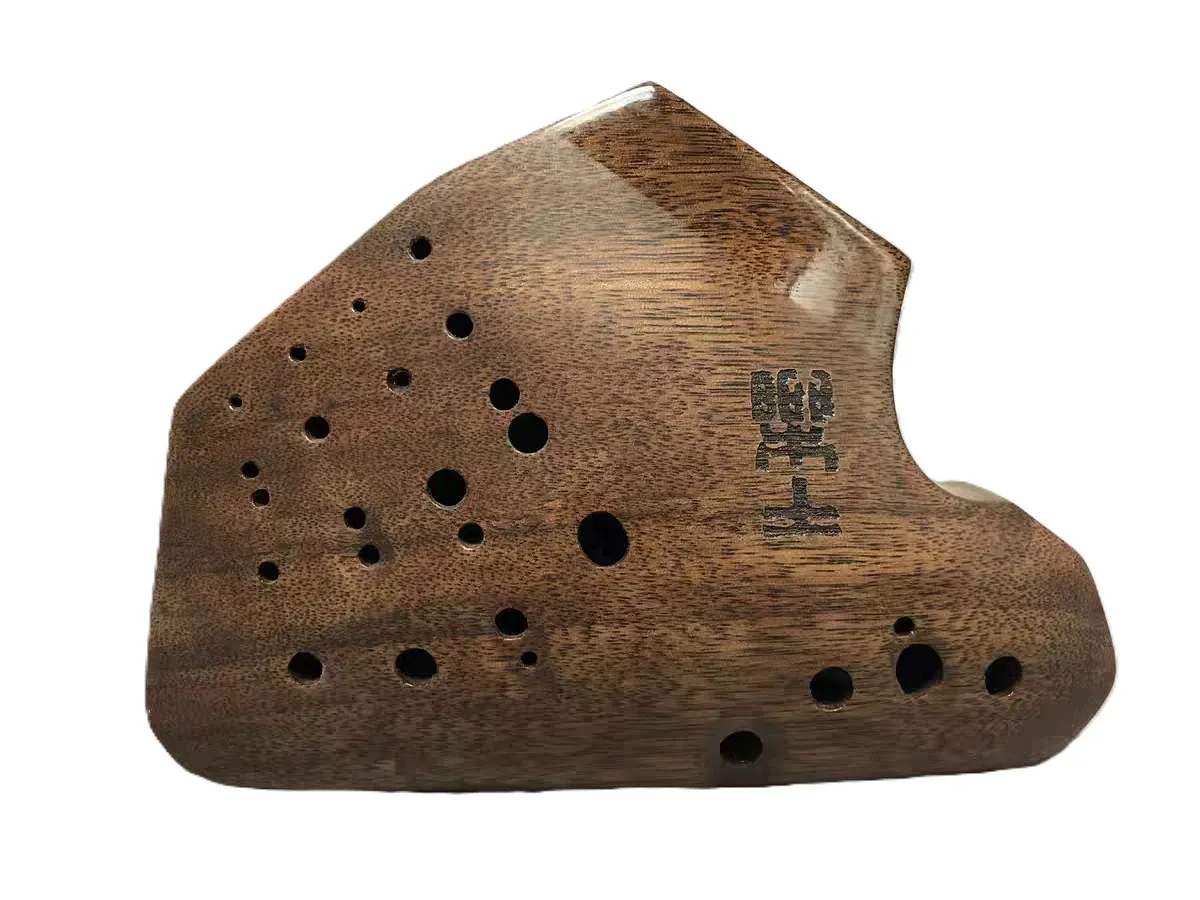
A standard 12-hole struggles with some sharps (like low G# or high D#). A Triple Ocarina does not.
Play in Any Key
The Triple Ocarina is designed to handle every single sharp and flat across 3 octaves. If you want to play complex orchestral scores without doing mental math, this is the professional solution.
View Triple Ocarina →
Summary
If the song is simple (Folk/Pop), use the "Math Way" on your 12-hole. If the song is complex (Classical/Jazz), use the "Gear Way" and grab your Triple.