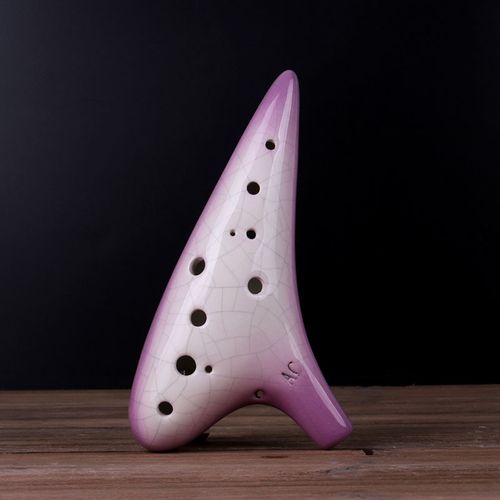
Welcome back to the world of the Eidolove Ocarina! The Ocarina's beautiful sound originates from its unique closed-chamber design, but the key factor determining its tone, durability, and feel is the material it’s made from. Understanding the history of Ocarina materials will help you appreciate why Eidolove insists on using specific materials to craft your perfect instrument.
I. The Ancient Foundation: Earth and Clay
- Natural Origins: The Ocarina's ancestors—the ancient whistles found in Mesoamerica (dating back to 1500 BC) and China's Xun—were all fired from local, natural clay.
- Characteristics: Clay ocarinas produce a warm, mellow, classic tone, and their production cost was relatively low. However, early clay instruments often lacked standardization, suffered from unstable tuning, and were extremely fragile.
The Core: Clay is the Ocarina's original material, offering a warm, mellow tone but being fragile and difficult to tune precisely.
II. The Modern Standard: Ceramic and Stoneware
When the modern Ocarina was formalized by Giuseppe Donati in Italy during the 19th century, the firing process underwent significant improvements.
- Material Upgrade: Modern ocarinas primarily use Ceramic, including fine earthenware or the denser, tougher stoneware clay. These materials gain significantly in hardness and density after high-temperature firing.
- Glazing Innovation: The introduction of glazing technology was crucial. Glaze not only provides a rich aesthetic appeal but, more importantly, seals the chamber, ensuring clarity and sustainability of the sound, and improving the instrument's durability and moisture resistance.
- Modern Ocarina Features: Ceramic ocarinas are the most popular choice today, renowned for their beautiful resonance and stable, accurate tuning. Eidolove's premium line also features high-quality ceramic, guaranteeing performance-grade sound.
The Core: Ceramic is the mainstream material for modern ocarinas, achieving stable tuning and beautiful resonance through glazing.
III. The Modern Challenger: Plastic and Polymer
- Rationale: To solve the problems of ceramic ocarinas being fragile and sensitive to temperature and humidity, manufacturers started experimenting with engineered plastics.
- Primary Materials: The most common are ABS resin (ABS Plastic) or high-quality Polymers.
Advantages:
Extreme Durability: Plastic ocarinas are nearly indestructible, making them perfect for travel, outdoor use, or children.
Affordable: Ideal for beginners with a limited budget.
- Lightweight: Significantly enhances portability.
- Sound Quality Balance: Modern plastic ocarina design is highly sophisticated. For example, Eidolove's beginner series uses precision molding to offer surprisingly good tone performance—excellent clarity and pitch accuracy, even if the resonance isn't as deep as ceramic.
The Core: ABS Plastic/Polymer is the ideal material for beginners and outdoor users, offering durability, light weight, and affordability.
IV. Rare and Innovative: Wood and Metal
Beyond the mainstream materials, a few niche and unique materials offer different sonic characteristics and collector value.
- Wood Ocarina: Difficult to craft, offering a warm tone with a unique woody texture. However, they are highly sensitive to humidity changes and require demanding maintenance.
- Metal Ocarina: Extremely rare, often featuring a loud, crisp tone, but they tend to be heavier.