🎵 Key Takeaway
Vibrato is the "shimmer" in your sound. But did you know there are two types? Breath Vibrato is for classical/emotional music. Finger Vibrato is for folk/blues. Mastering both gives you a full palette of expression.
We talked about Vibrato before. But now, let's get technical.
A professional player chooses which vibrato to use based on the style of the song.
Type 1: Breath Vibrato (The Classical Wave)
This comes from your diaphragm (belly). You pulse the air pressure up and down.
Effect: It changes the Volume and the Pitch slightly. It sounds rich, operatic, and serious.
Best for: Slow ballads, classical pieces, and long ending notes.
Cello-Like Depth
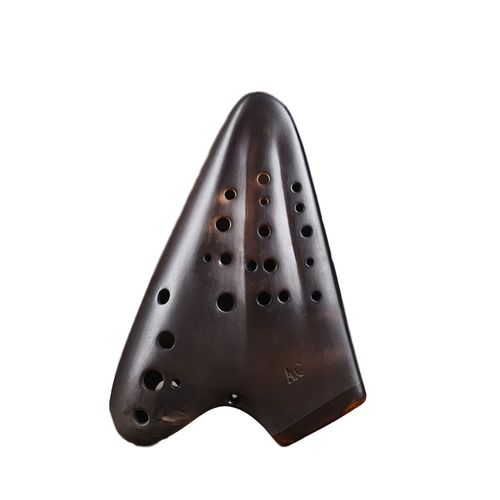
Breath vibrato sounds incredible on the low notes of a Triple Ocarina. The large bass chamber resonates with your breath pulses, creating a sound that mimics a Cello or a low Flute.
Experience Deep Resonance →
Type 2: Finger Vibrato (The Folk Wiggle)
This is done by waving your fingers over an open hole (without fully covering it).
How to do it: If you are playing a G (Right hand open), wave your right hand fingers over the open holes rapidly. You are "shading" the hole.
Effect: It dips the pitch down and back up. It sounds lighter, more "ghostly," and very traditional.
Best for: Chinese folk music, Celtic tunes, and eerie effects.
Comfortable Action
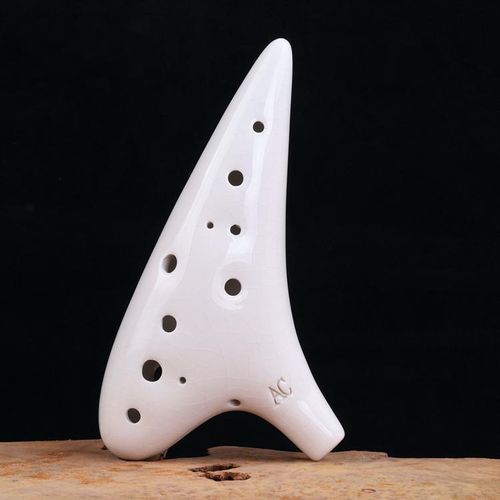
Finger vibrato requires you to hover your hand close to the instrument. The Gradient Green Ocarina has an ergonomic shape that allows your hand to wave freely without losing your grip on the instrument.
Shop Ergonomic Design →
When to use which?
- Playing Ave Maria? Use Breath Vibrato.
- Playing a spooky ghost song or an ancient Asian melody? Use Finger Vibrato.
Summary
Don't just turn vibrato on and off like a switch. Choose the right tool for the job. Your audience will feel the difference.